




Cabochon: A Timeless Gemstone in the World of Fine Jewellery
Estimated Reading Time: 3 minutes
Key Takeaways
- The cabochon cut showcases a gemstone’s natural color and inner beauty.
- It’s a versatile cut, suitable for various jewellery designs, from rings to earrings.
- Cabochons are often used with semi-precious gemstones, with a flat base.
- The design allows for secure attachment to almost any surface or bezeled setting.
- Cabochons have continued to evolve and embrace new forms and materials.
Table of Contents
- Decoding the Cabochon: Origins and Characteristics
- The Anatomy of a Design
- The Cabochon in Contemporary Jewellery
For centuries, the cabochon has graced the world of handcrafted jewellery, a testament to the enduring appeal of gemstone artistry. Its distinctive form, a smooth, domed surface juxtaposed against a flat base, offers a rich canvas for showcasing the inherent beauty of the stone. As we observe the latest gemstone trends, it’s clear the cabochon continues to captivate, offering a versatility that complements both modern and heirloom designs. From the ateliers of bespoke jewellers to the runways of luxury fashion, this classic cut maintains its place as a cornerstone of exquisite design.
Decoding the Cabochon: Origins and Characteristics
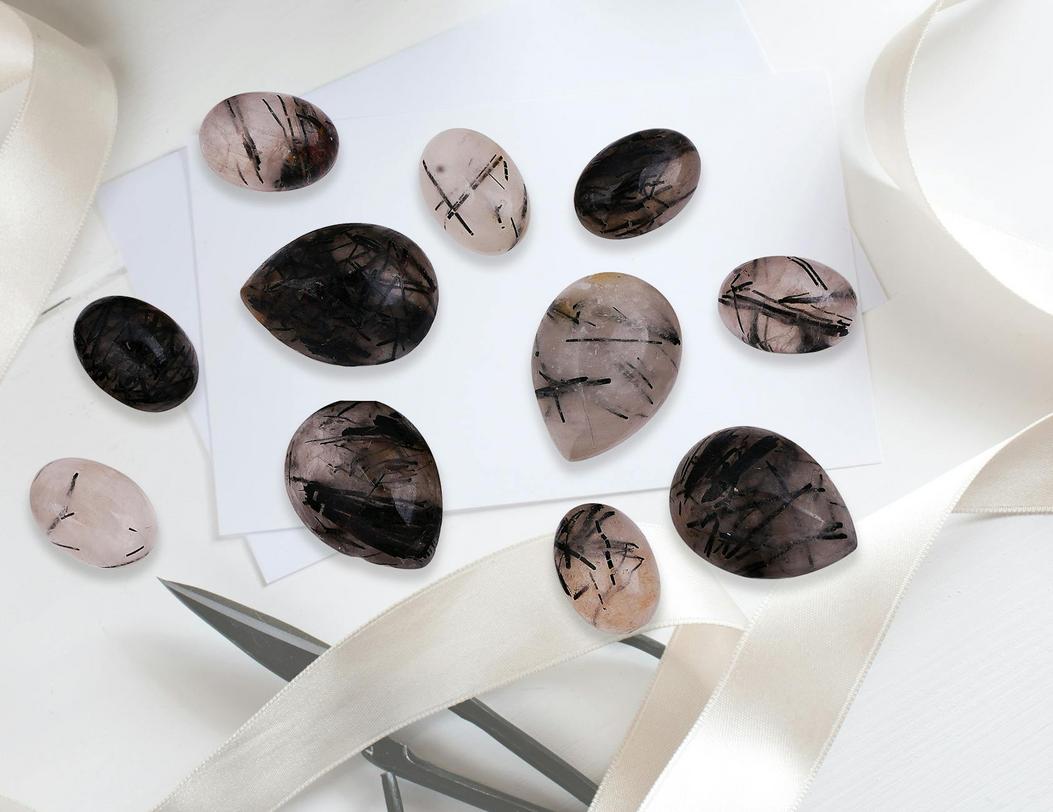
The term “cabochon,” derived from the French word “caboche” meaning “small dome,” perfectly captures its essence. While any stone can be cut into a cabochon, they are most commonly fashioned from semi-precious gemstones. You’ll find them expertly shaped and polished, with an opaque, non-transparent nature which allows the stone’s inherent color and inner glow to take center stage. Their flat base allows for versatile setting options, often glued to a metal backing or meticulously set within an 18k gold bezel, creating truly stunning luxury accessories.
The Anatomy of a Design
Cabochons are admired for versatility. The flat bottom allows for secure attachment to almost any surface. The designs can be set within a bezel cup to offer an even more striking visual. These settings provide opportunities for creating a wide variety of pieces: rings, pendants, bracelets, and earrings. While round, oval, and teardrop shapes are the most common, the allure of irregular cabochons allows each piece to be unique.
The design possibilities are endless, and we often see the beauty of the cabochon coupled with other jewels to create breathtaking pieces.
The Cabochon in Contemporary Jewellery
Today, the cabochon continues to evolve, embracing new forms and materials. As gemstone trends shift, these timeless gems continue to inspire innovative designs. From the warm embrace of amber to the deep blues of lapis lazuli, the cabochon offers a captivating way to integrate the rich history of gemstone heritage into your own personal style.
What are your favorite cabochon gemstones and designs? Share your thoughts and experiences with us in the comments below.
FAQ
Q: What is a cabochon cut?
A: The cabochon cut is a gemstone cut with a smooth, domed surface and a flat base.
Q: What types of gemstones are commonly used for cabochon cuts?
A: Cabochons are most commonly fashioned from semi-precious gemstones.
Q: What are the typical shapes of cabochon gemstones?
A: Round, oval, and teardrop shapes are the most common, but irregular shapes are also used.
Q: How are cabochons set in jewellery?
A: Cabochons can be glued to a metal backing or set within a bezel.